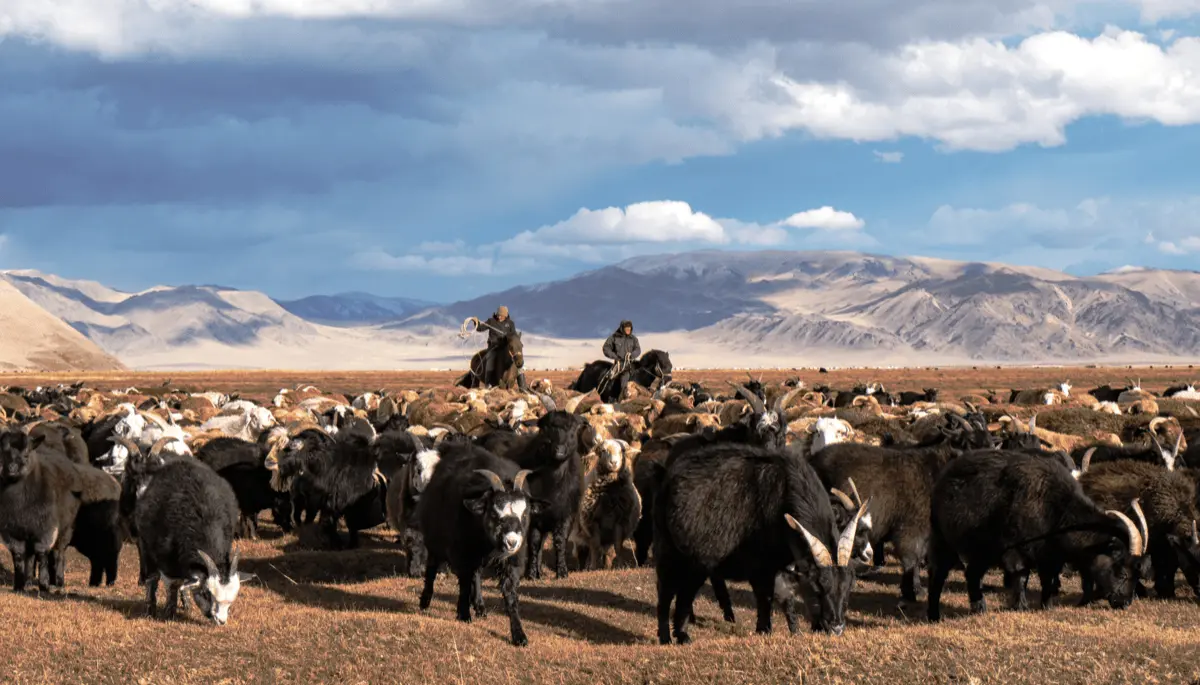
Herders with goats and yaks on the Mongolian steppe
Central Asia

Mongolia

The least densely populated country on earth — endless steppe, the great Gobi, reindeer herders in the taiga and golden eagle hunters in the west. A place where 15 days still feels short, and where going one step beyond the standard tourist loop changes everything.

🗺️ Getting Around

The essential apps and websites every traveller needs before hitting the road

💡 Pro tip: Mongolia is the size of Western Europe with almost no paved roads outside Ulaanbaatar. For the Gobi or Khövsgöl, fly in and arrange a private 4x4 with a driver-guide on the ground — DIY road travel beyond the capital is not realistic in 15 days, and a good driver-guide doubles as your translator, cook and ger-camp fixer.

📶 Best Local SIMs
1
Mobicom Best overall 4G coverage nationwide, including most tourist routes
Top pick
2
Unitel Strong in cities & popular destinations — easy tourist data packs
3
G-Mobile State operator with the deepest reach into the steppe & remote soums

📍 Where to buy: Grab a SIM at Chinggis Khaan airport on arrival or any operator shop in Ulaanbaatar — your passport is required and registration is done on the spot.

Airport tips

Chinggis Khaan International (UBN)
Mongolia's main gateway, opened in 2021 and located ~50 km south of Ulaanbaatar — about a 1-hour drive into the city. Modern, calm and easy to navigate, a refreshing contrast to many regional capitals. Most nationalities enter visa-free for 30 days (Spain included), and an e-visa is available for everyone else. Pre-book a hotel transfer or use UBCab from the official taxi stand outside arrivals — the highway in is long and largely unlit, so a daytime arrival is easier on your first night.

Domestic hubs (Dalanzadgad / Mörön / Ölgii)
For the big regions you actually came to see, you'll fly out of Ulaanbaatar on Hunnu Air or Aero Mongolia: Dalanzadgad (DLZ) for the South Gobi, Mörön (MXV) for Lake Khövsgöl and the road north to the Tsaatan, and Ölgii (ULG) far in the west for the Altai mountains and golden eagle hunters. Flights are short but limited — book several weeks ahead in peak summer.
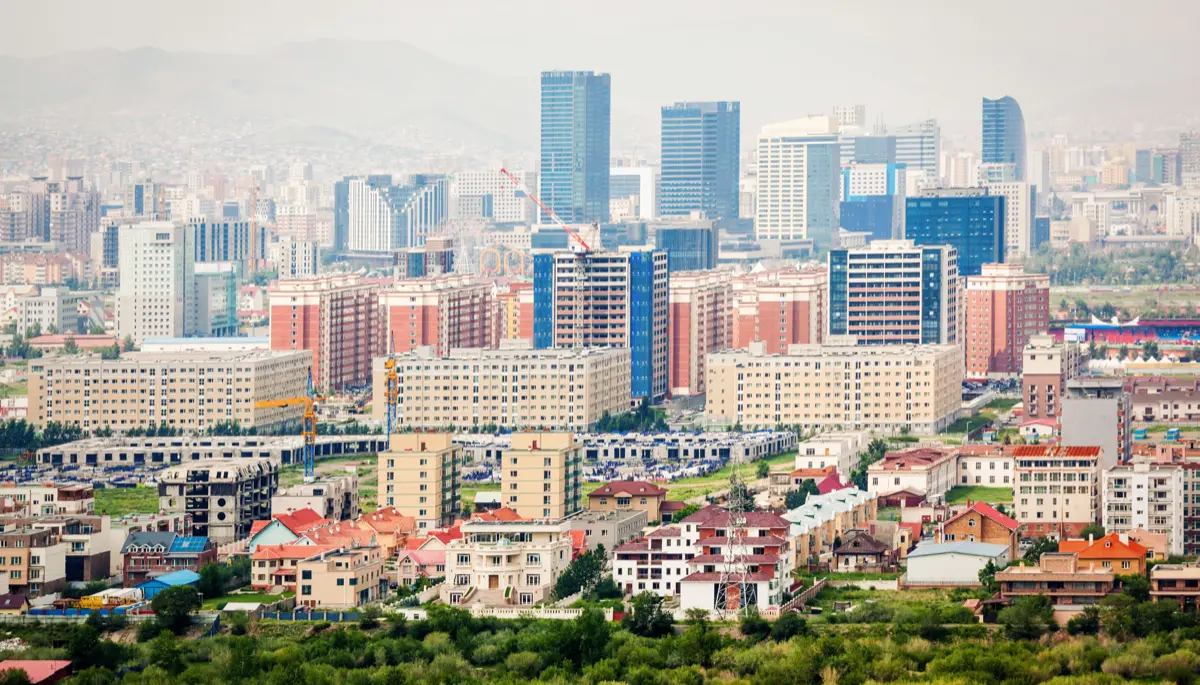
Ulaanbaatar skyline
Central Asia

Ulaanbaatar

  • 🏛️ Gandantegchinlen Monastery. The spiritual heart of the city — a working monastery centred on the towering 26 m Migjid Janraisig statue, with morning chants and monks moving through the courtyards. The single most atmospheric stop in Ulaanbaatar.
  • ⏱️ Best for a Few Days — the Sukhbaatar Square loop. Two relaxed days are plenty: Sukhbaatar Square, the huge new Chinggis Khaan National Museum (opened 2022), the Bogd Khan Winter Palace, and the chaotic Naran Tuul "Black Market" for cashmere, felt and boots. Then get out of the city — the steppe is the real reason you're here.
  • 🎶 Naadam Festival (11–13 July). If your dates line up, Naadam — the national festival of wrestling, archery and horse-racing — is one of Asia's great spectacles. Book accommodation and domestic flights months in advance.
  • 🍜 Food — khuushuur & buuz. Fried meat pasties and steamed mutton dumplings washed down with suutei tsai (salty milk tea). The modern Ulaanbaatar café and craft beer scene is surprisingly good if you need a break from the steppe diet.
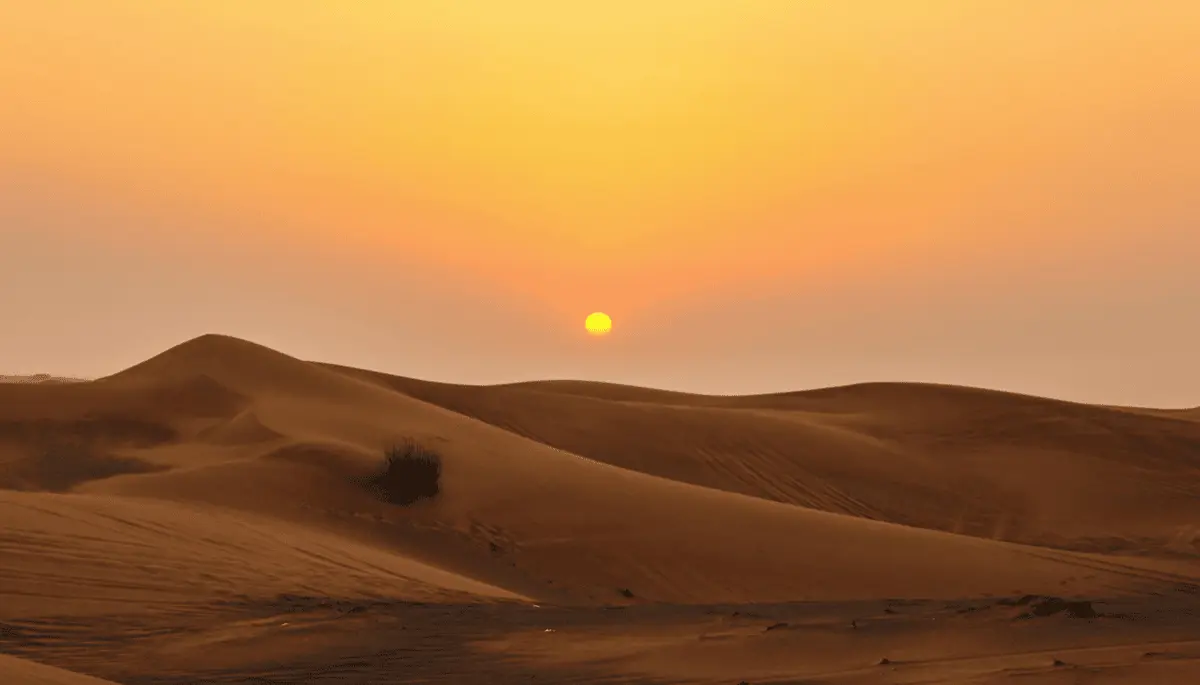
Sand dunes of the Gobi Desert at sunset
Central Asia

The Gobi Desert

  • 🏜️ Khongoryn Els — the singing dunes. 100 km long and up to 300 m tall. Climb at sunset for one of the great desert views on earth, then sleep in a ger camp at the base and ride out at dawn before the heat builds.
  • ⏱️ Best for a Few Days — the South Gobi loop. Fly Ulaanbaatar → Dalanzadgad and do a 4–5 day circuit by 4x4: Yolyn Am ice canyon (yes, ice in the desert), Bayanzag "Flaming Cliffs" where the first dinosaur eggs were found, the Khongoryn dunes, and a night with a camel-herding family. The most efficient way to see Mongolia's most iconic landscape.
  • 🐪 Camel trekking. Short rides or full multi-day expeditions on Bactrian camels between ger camps. The slowest, best way to feel the real scale of the desert.
  • 🦖 Dinosaur country. The Gobi's red sandstone holds some of the world's richest fossil beds — the Bayanzag area still yields finds today and the museum in Ulaanbaatar holds the best of them.

Others

Lake Khövsgöl & the Sacred North

✈️ Getting there: Fly Ulaanbaatar → Mörön (~1.5 hr), then ~2 hr drive to Khatgal at the south shore 📅 Best time: Jun – Sep for open water & active ger camps; Feb – Mar for the Ice Festival on the frozen lake

Mongolia's "Dark Blue Pearl" — 136 km of glacial water surrounded by larch forest and the 13 sacred sites venerated for centuries along its shore. Stay in lakeside ger camps, ride horses through Enkhtuya's shaman forest, and meet local spiritual leaders. A genuinely sacred place, not just a scenic one — and the natural launch pad for going further north into the taiga.


The Tsaatan (Reindeer People) & Darkhad Valley

🦌 Getting there: From Mörön/Khövsgöl, 1–2 day 4x4 transfer to Tsagaannuur via Ulaan-Uul, then horseback & reindeer into the taiga — military border permit required, arrange weeks ahead 📅 Best time: Jul – Sep — the autumn taiga camps are accessible and the migration window is open

One of the most extraordinary cultural encounters left on the planet. Only around 200 Tsaatan reindeer herders remain, living in tipis high in the larch taiga of the Khövsgöl–Russia borderlands. Stay with a family, watch the morning routine of the reindeer, sit with the local shamans and — if your timing is right — join a nomadic family as they migrate camp in search of new pasture. This is the kind of experience that justifies the entire trip; logistics are hard, which is exactly why almost nobody does it.


Kharkhorin (Karakorum) & Amarbayasgalant Monastery

🚐 Getting there: Kharkhorin is ~370 km / ~6 hr west of Ulaanbaatar; Amarbayasgalant is ~360 km north, often combined on the drive back from Erdenet or Khövsgöl 📅 Best time: Jun – early Oct — steppe roads are passable and the monastery courtyards are at their best

Kharkhorin sits on the site of Chinggis Khaan's 13th-century capital, and the walled Erdene Zuu Monastery beside it is the country's spiritual icon — but it's also the busiest stop on the standard loop. Pair it with (or, if you're short on time, swap it for) Amarbayasgalant, a vast 18th-century monastic complex hidden in a green valley with almost no tourists — usually only reachable as a detour on the northbound route. The contrast between the two tells you more about Mongolian Buddhism than either monastery alone.


Terelj NP & Hustai NP (wild horses)

🚐 Getting there: Terelj is ~70 km / ~1.5 hr east of Ulaanbaatar; Hustai is ~100 km / ~2 hr west — both are easy day trips or overnighters from the capital 📅 Best time: Jun – Sep for green steppe and active wildlife; autumn colours peak late September

Terelj is the easy classic — Turtle Rock, the giant 40 m stainless-steel Chinggis Khaan equestrian statue, ger camps tucked into granite hills. Most travellers stop here and call it a day. But Hustai, just on the other side of Ulaanbaatar, is where the world's only truly wild horse — the Przewalski horse (takhi) — was reintroduced after being extinct in the wild. Dawn and dusk drives through Hustai's valleys give you a real chance of spotting herds. Doing both, instead of just Terelj, is the small switch that makes a 15-day Mongolia trip feel a lot less like a brochure.