Central Asia
Kyrgyzstan
A vast and fiercely beautiful gem deep within Central Asia — dramatic Tien Shan mountains, nomadic yurt cultures, and pristine alpine lakes await.
A vast and fiercely beautiful gem deep within Central Asia — dramatic Tien Shan mountains, nomadic yurt cultures, and pristine alpine lakes await.
The essential apps and websites every traveller needs before hitting the road
💡 Pro tip: Outside Bishkek, apps don't work well — ask your guesthouse to arrange a driver. For Song-Kul, Issyk-Kul and the mountains, shared taxis from bazaars are the norm.
📍 Where to buy: Get MegaCom at Bishkek airport. Beeline is worth adding if trekking to Son-Kul.
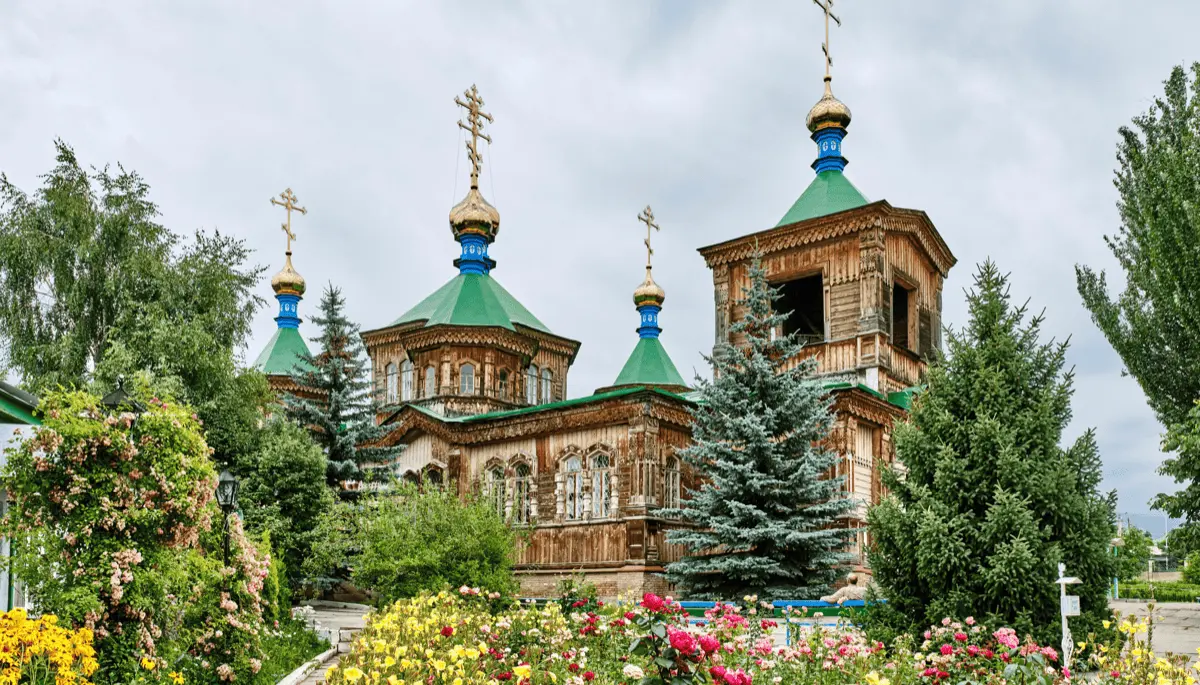
The world's second-largest alpine lake. It is so deep and slightly saline that it never freezes, even in the harsh winters. The North Shore (Cholpon-Ata) is dominated by decaying, fascinating Soviet-era sanatoriums and heavy summer tourism, while the South Shore is far wilder, dotted with yurt camps and canyon hikes (like Skazka/Fairy Tale Canyon).
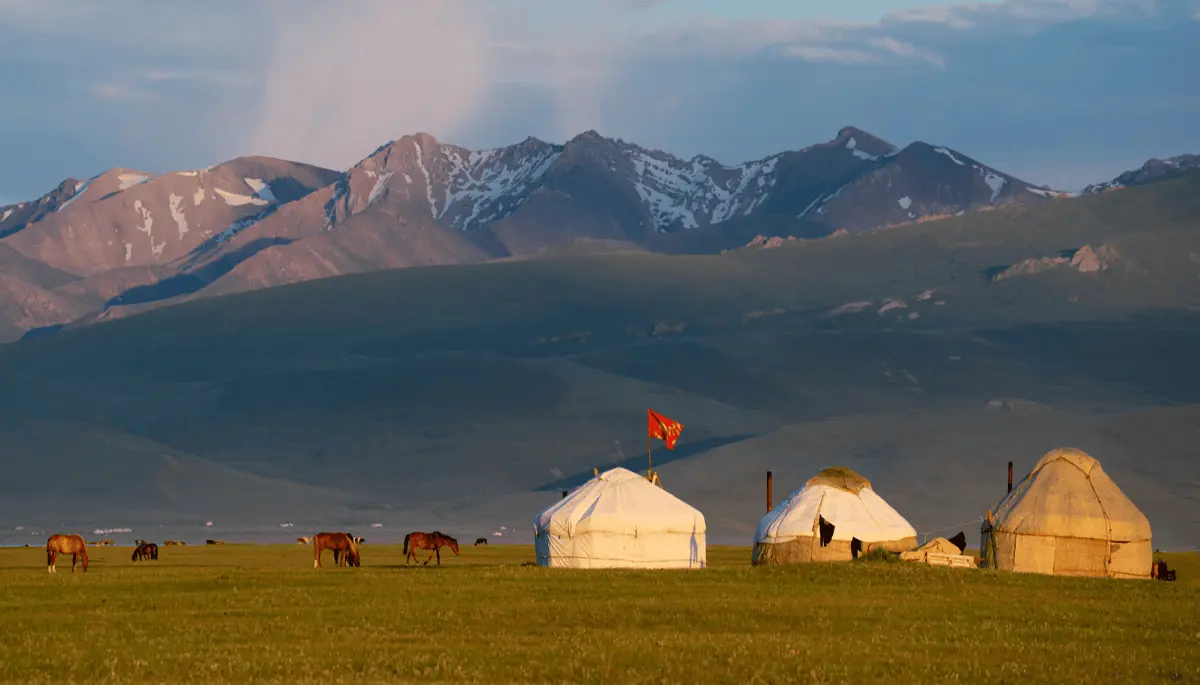
A high-altitude, spectacular alpine lake surrounded entirely by endless green pastures (jailoo). This is the premium destination to experience authentic nomadic culture, sleep in a yurt, drink fermented mare's milk (Kumis), and go horseback riding essentially completely off the grid.
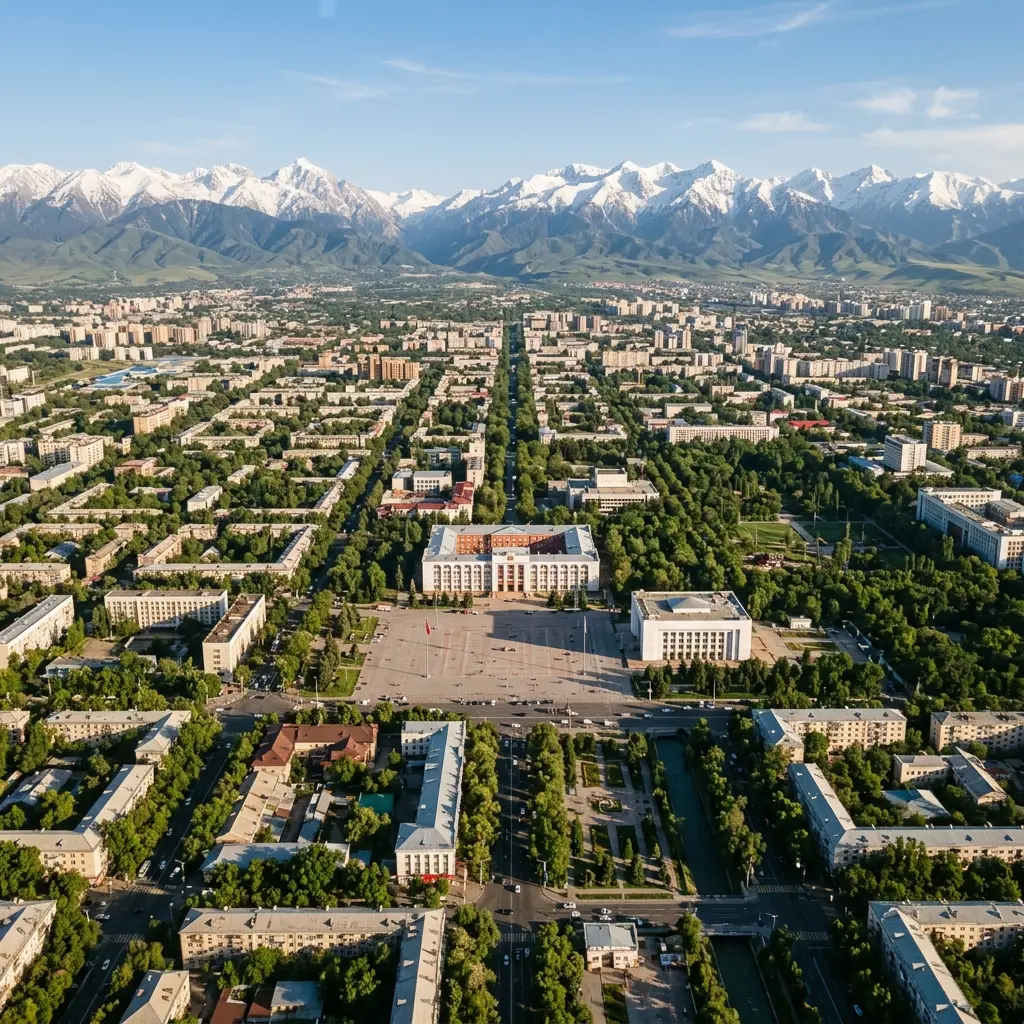
The second-largest city, located in the deep south. It feels significantly more conservative, deeply historical, and culturally aligned with neighboring Uzbekistan than Bishkek. It is famous for the sprawling Jayma Bazaar and the sacred Sulayman Mountain rising abruptly from the city center.
A tiny, incredibly picturesque village situated further east from Karakol. Once a struggling coal-mining town, it has beautifully reinvented itself as an emerging, highly community-driven hub for pristine backcountry skiing and completely untouched summer trekking.