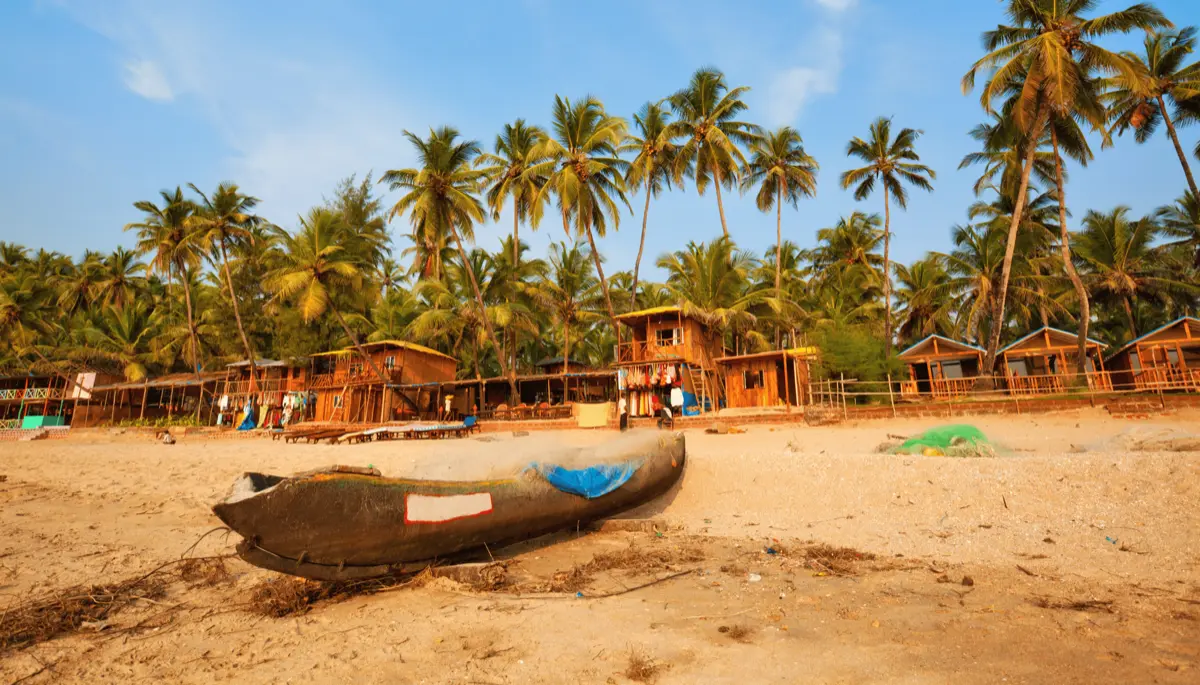
Fishing boat and beach huts under palm trees in India
South East Asia

India

A subcontinent of immense scale β€” from the Himalayan foothills to sun-soaked Goa and the high-tech corridors of Bengaluru. Highly affordable and culturally immersive.

πŸ—ΊοΈ Getting Around

The essential apps and websites every traveller needs before hitting the road

πŸ’‘ Pro tip: Book Indian train tickets on IRCTC at least 2–3 weeks ahead β€” popular routes like Mumbai to Goa and Delhi to Jaipur fill up very quickly.

πŸ“Ά Best Local SIMs
1
Jio Largest 5G network β€” fastest speeds, cheapest unlimited data
Top pick
2
Airtel Best call quality & reliability β€” premium 4G/5G coverage

πŸ“ Where to buy: Foreigners buy at dedicated airport SIM counters β€” passport & visa copy required.

Airport tips

Delhi (DEL)
Indira Gandhi International Airport is the massive primary hub for North India. It is well connected to the city via the hyper-efficient Delhi Metro Airport Express line. Expect immense crowds and potential winter fog delays.

Mumbai (BOM)
Chhatrapati Shivaji Maharaj International Airport handles the bulk of West Coast and business traffic. Traffic around the airport can be gridlocked, so building buffer time into your schedule is mandatory.

Bengaluru (BLR)
Kempegowda International Airport is heavily focused on business and tech travel. It is located quite far from the city center, often requiring a 1 to 2-hour taxi ride depending on traffic patterns.
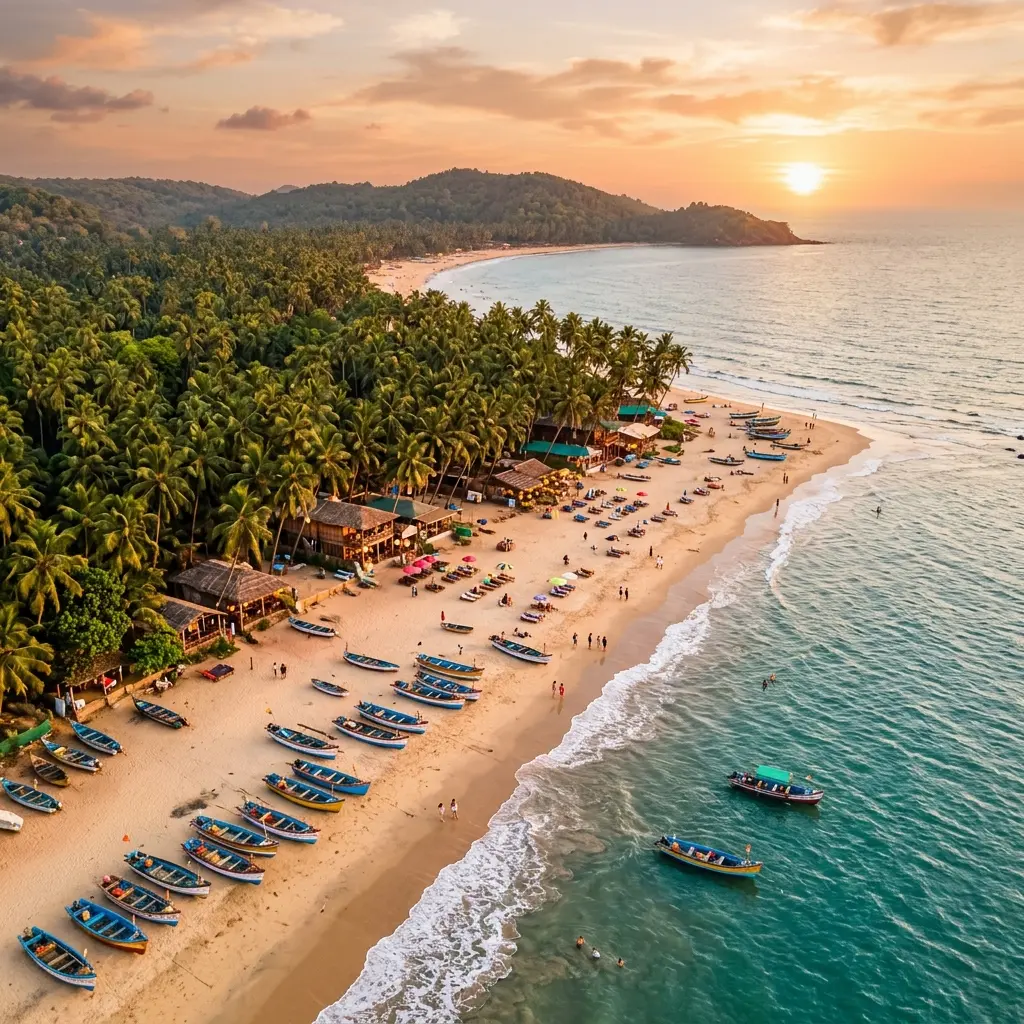
Aerial view of a palm-fringed beach with fishing boats in Goa
South Asia

Goa

  • ⏱️ Best for a Few Days β€” Arambol / Mandrem (North). North Goa's most laid-back and characterful stretch of coastline. Arambol has a famous flea market, drum circles on the beach at sunset, and a bohemian atmosphere unlike anywhere else in Goa. Mandrem next door is quieter and ideal for long beach walks. Two or three days here captures the hippie-meets-beach-paradise side of Goa perfectly.
  • πŸŽ’ Backpackers & Party β€” Anjuna / Vagator (North). Legendary for the psychedelic trance scene. It's rocky, very loud during season, heavily trafficked by domestic tourists, and features the famous Anjuna Flea Market.
  • 🌊 Serenity & Beaches β€” Palolem / Agonda (South). Strikingly different from the North. The South is characterized by broad, clean, palm-fringed beaches, quiet resorts, family-friendly calm waters, and a significantly slower pace of life.
  • πŸ‘” Heritage & Culture β€” Panjim (Central). The state capital. Highly distinct due to its heavily preserved Portuguese colonial architecture, quiet European-style squares, and excellent elevated local Goan dining, away from the beach crowds.
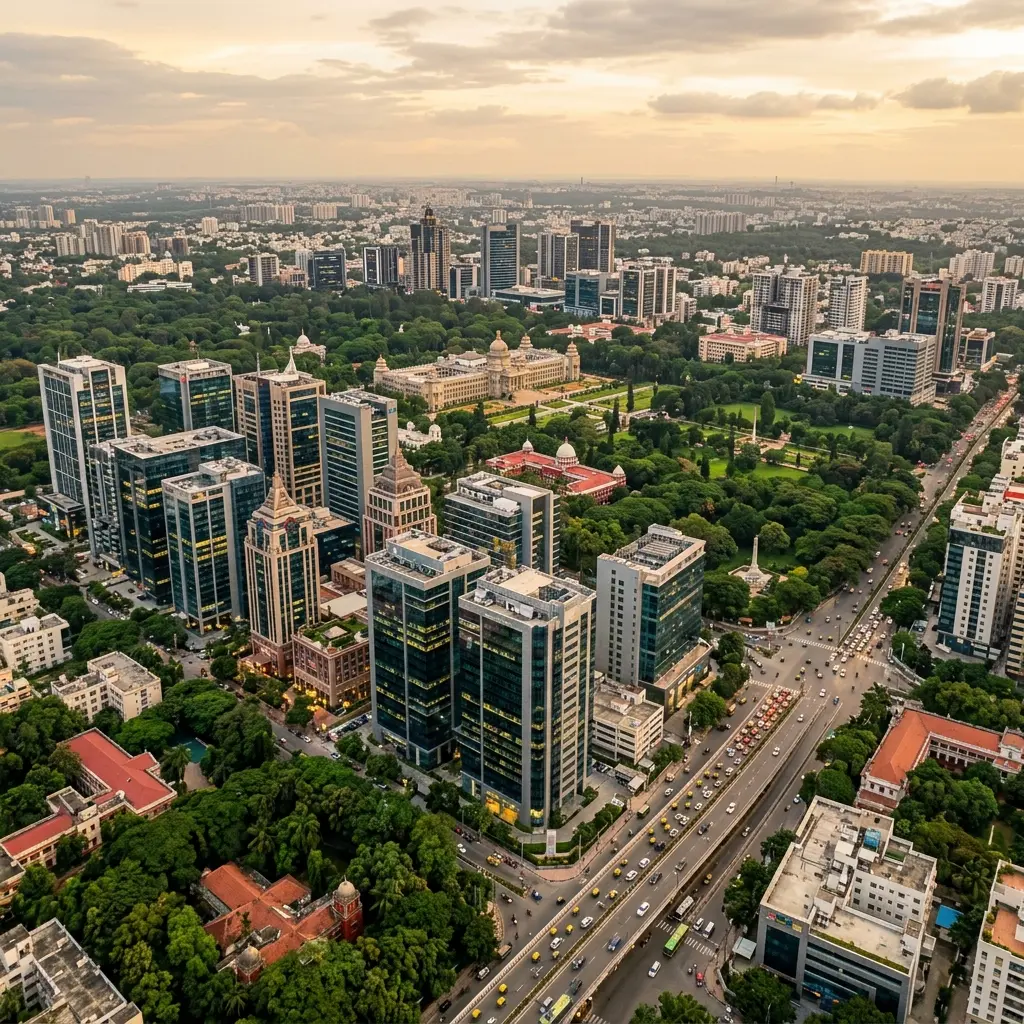
Aerial view of office towers and tree-lined streets in Bengaluru
South Asia

Bengaluru (Bangalore)

  • ⏱️ Best for a Few Days β€” Koramangala / Indiranagar. Bangalore’s most vibrant and visitor-friendly areas. Indiranagar’s 100 Feet Road is packed with craft breweries, rooftop bars, and excellent street food. Koramangala is slightly more residential but equally great for dining out. Spend your days here eating well, then venture out to Cubbon Park, ISKCON Temple, or the lively Commercial Street market.
  • πŸ‘” Business & Luxury β€” UB City / MG Road. The upscale, ultra-modern commercial heart of the city, featuring high-end retail, towering corporate parks, and premium luxury apartments.
  • 🌳 Family Friendly & Greenery β€” Jayanagar / Malleshwaram. Older, highly established, and significantly greener neighborhoods portraying the traditional side of the β€œGarden City,” with broad boulevards and quiet parks.

Others

Mumbai

✈️ Getting there: Direct international flights to Chhatrapati Shivaji International Airport (BOM) from most major cities worldwide πŸ“… Best time: Nov – Feb β€” cooler and drier; avoid Jun–Sep monsoon when the city regularly floods

India’s financial and entertainment capital. A relentlessly fast-paced, sprawling metropolis. South Mumbai (Colaba, Fort) offers incredible colonial architecture and upscale living, while suburbs like Bandra are incredibly trendy, packed with expat cafes, and feature a robust coastal lifestyle.


Rishikesh

🚌 Getting there: Bus or shared jeep from Haridwar (~1 hr) or Delhi (~6 hr); closest airport is Dehradun (DED) β€” ~1.5 hr πŸ“… Best time: Jan – Jun & Sep – Nov β€” avoid Jul–Aug when the Ganges floods and many roads close

Located at the foothills of the Himalayas along the Ganges River. Universally recognized as the "Yoga Capital of the World." It has morphed into a gigantic digital nomad hub offering serene river views, extreme vegetarian culture, ashrams, and highly affordable living.


Dharamshala & McLeod Ganj

✈️ Getting there: Fly to Gaggal Airport (DHM) from Delhi (~1 hr), or overnight bus from Delhi (~12 hr) πŸ“… Best time: Mar – Jun & Sep – Nov β€” clear skies and mountain views; Dec–Feb is cold but peaceful

Nestled high in the Himalayas and famous as the residence of the Dalai Lama. It offers a spectacular mountain climate, heavy Tibetan cultural influence, endless hiking trails, and a deeply peaceful environment favored by spiritual seekers and slow-traveling nomads.


Kerala (Varkala & Kochi)

✈️ Getting there: Fly to Kochi (COK) or Thiruvananthapuram (TRV) from major Indian cities (~2 hr from Mumbai/Delhi) πŸ“… Best time: Oct – Mar β€” post-monsoon green season; Jun–Sep monsoon is lush but travel is disrupted

Known globally as "God’s Own Country." Varkala offers a dramatic laterite cliff setting beside the Arabian Sea with a strong backpacker and yoga presence. Kochi is a historical, heavily Portuguese/Dutch-influenced port city famous for the backwaters and art biennials.