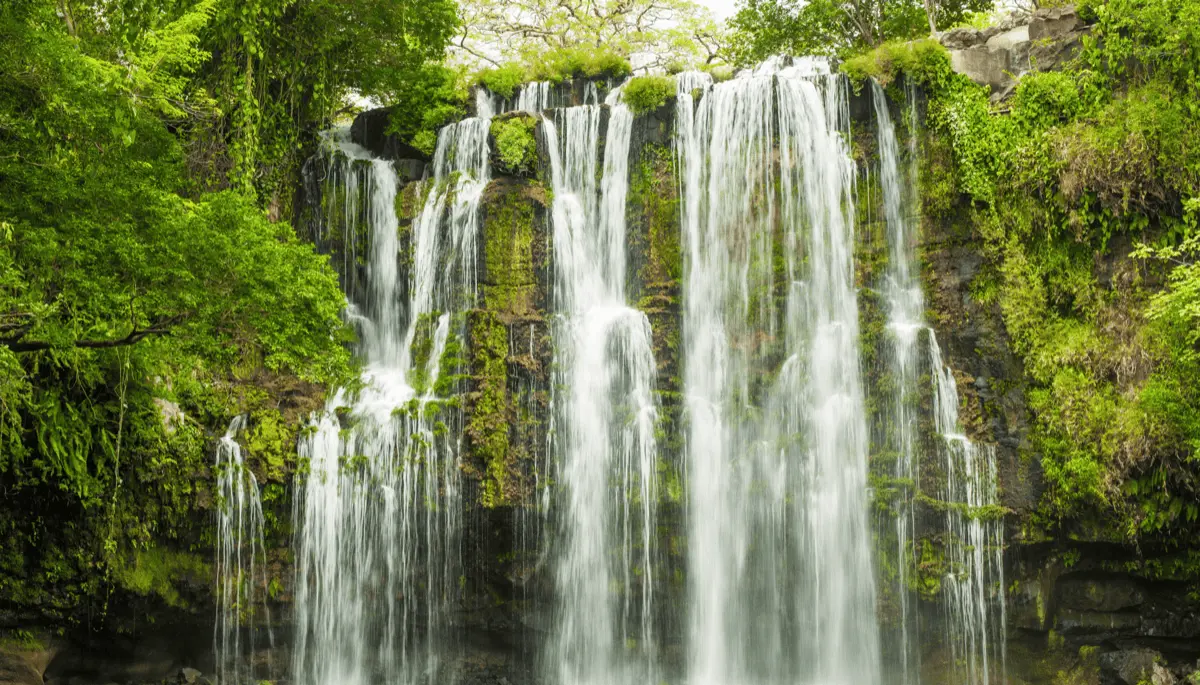
Jungle waterfall in Costa Rica
Latin America

Costa Rica

Embrace the "Pura Vida" lifestyle in one of the most biodiverse countries on the planet — exceptional safety, phenomenal surfing on both coasts, and deep jungle experiences.

🗺️ Getting Around

The essential apps and websites every traveller needs before hitting the road

💡 Pro tip: Outside San José, app-based rides are scarce — tourist shuttles (Interbus, Grayline) are the most reliable way to reach beach and jungle destinations.

📶 Best Local SIMs
1
Kölbi ICE's network — fastest 4G/5G, best national coverage
Top pick
2
Claro Best rural & inter-city coverage, widely available

📍 Where to buy: Kölbi SIMs sold at Juan Santamaría Airport. Passport required for registration.

Airport tips

San Jose (SJO)
Juan Santamaría International Airport is the primary gateway, located significantly outside the actual city center (closer to Alajuela). It is the best airport to fly into if you are heading to the Caribbean coast (Puerto Viejo), the central valley, or the southern Pacific.

Liberia (LIR)
Guanacaste Airport is located in the northwest. It is absolutely the best and most convenient option if your final destinations are the northern Pacific surf towns like Tamarindo, Nosara, or Santa Teresa, completely avoiding the intense capital traffic.
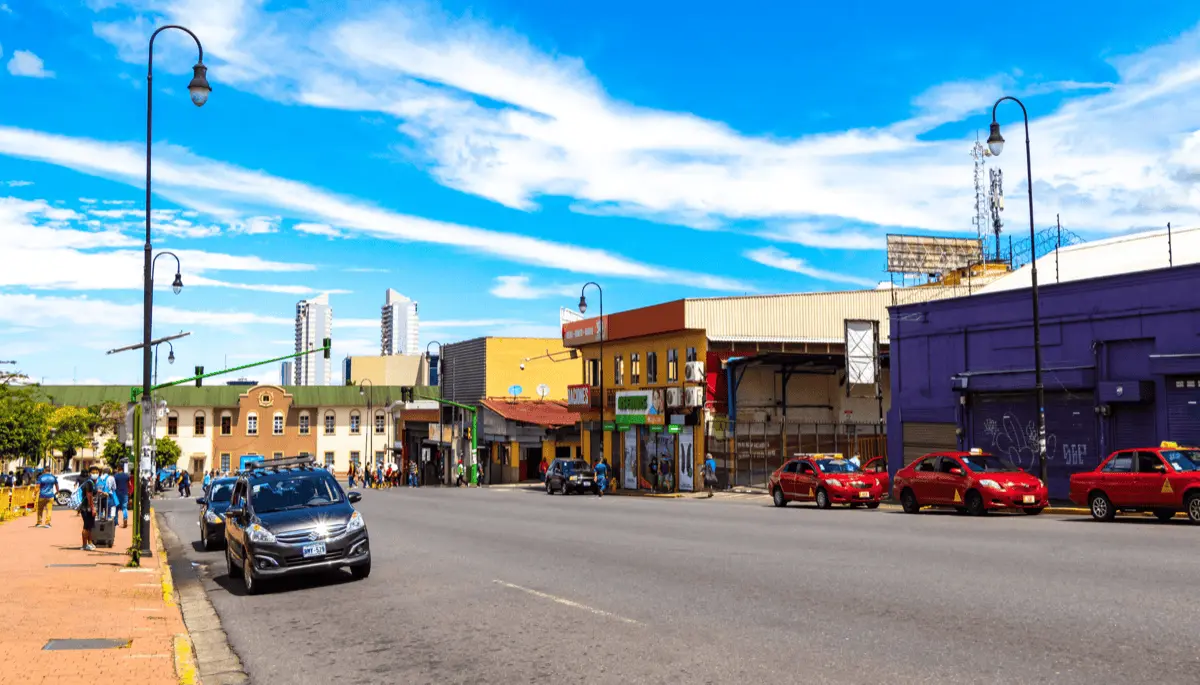
Street with colourful buildings in downtown San José
Latin America

San Jose & Central Valley

  • 💻 Urban Hubs — Escalante / Sabana. Most nomads skip the capital, but Barrio Escalante offers a surprisingly vibrant gastronomic scene, craft breweries, and excellent cafes suitable for remote work. Sabana is slightly more upscale and residential.
  • 👔 Business & Transit. San Jose is primarily a transit hub for tourists. It lacks the natural beauty of the coasts but serves as the only place for serious bureaucratic work, specific medical services, or high-end shopping.
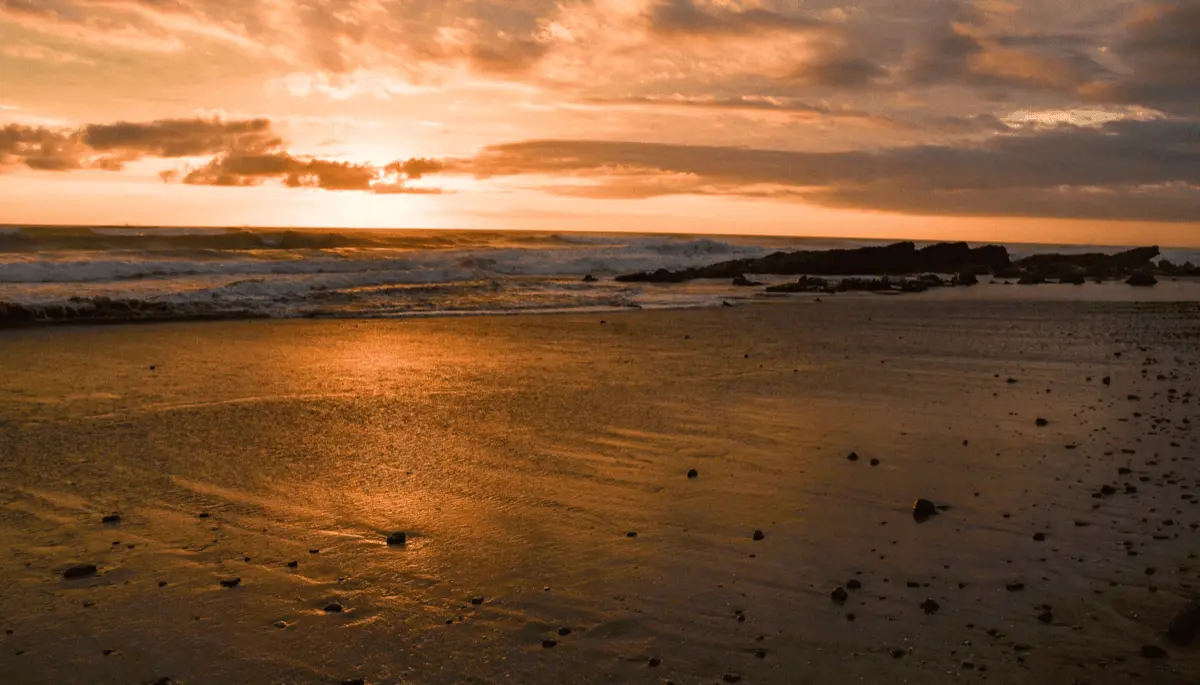
Sunset over the beach at Santa Teresa
Latin America

Santa Teresa (Nicoya Peninsula)

  • 🌊 Surf & Wellness Hub. A globally recognized hotspot for remote workers. It's heavily defined by long, dusty dirt roads, incredible consistent surf, beachfront yoga decks, and a massive international community.
  • ⏱️ Best for a Few Days. Two or three days in Santa Teresa is the perfect coastal escape. Take a surf lesson on the long beach break, hike through Cabo Blanco nature reserve to spot howler monkeys and scarlet macaws, and catch sunset from the ridge above town. The food scene is surprisingly good for such a remote stretch of coast — fresh fish, smoothie bowls, and open-air restaurants round off the days perfectly.

Others

Tamarindo

🚌 Getting there: Shared shuttle from San José (~5 hr); or fly to Liberia Airport (LIR) and drive south (~1.5 hr) 📅 Best time: Dec – Apr — dry Pacific season; May–Nov brings big swells — great for surfing, less so for beach days

Often jokingly referred to as "Tamagringo" due to its massive North American expat population. It is highly developed, featuring paved roads, countless restaurants, beginner-friendly surf, and intensely active nightlife. Excellent amenities, but significantly less "authentic" Costa Rican feel.


Puerto Viejo (Caribbean Coast)

🚌 Getting there: Bus or shuttle from San José (~4 hr) — the Caribbean coast has its own micro-climate and dry season 📅 Best time: Sep – Oct & Mar – Apr — Caribbean dry windows; Jun–Aug is wet on the Pacific but often dry here

A distinctly different vibe from the Pacific. Deeply influenced by Afro-Caribbean culture. It features stunning jungle pushing right onto the beach, intense wildlife (sloths everywhere), spicy cuisine, and a laid-back reggae atmosphere. Internet can sometimes be less reliable here.


Nosara

✈️ Getting there: Fly from San José to Nosara (NOB) (~40 min); or shuttle via Nicoya Peninsula (~5 hr including ferry) 📅 Best time: Dec – Apr — dry and sunny; May–Nov the roads to Nosara turn to mud — 4WD essential

Located north of Santa Teresa. Heavily focused on wellness, high-end yoga retreats, and protecting the local biosphere. It intentionally lacks paved roads to deter overdevelopment. It is very expensive, very beautiful, and generally attracts an older, wealthier nomad crowd.


La Fortuna / Arenal

🚌 Getting there: Shared shuttle from San José (~3–4 hr); or jeep-boat-jeep from Monteverde (~3 hr) 📅 Best time: Year-round — the cloud forest is always green; dry season Dec – Apr gives clearest volcano views

The inland adventure capital, built at the base of the massive Arenal Volcano. Famous for extensive natural hot springs, ziplining through the rainforest canopy, and massive waterfalls. Not a traditional long-term base, but an essential short-term trip.